
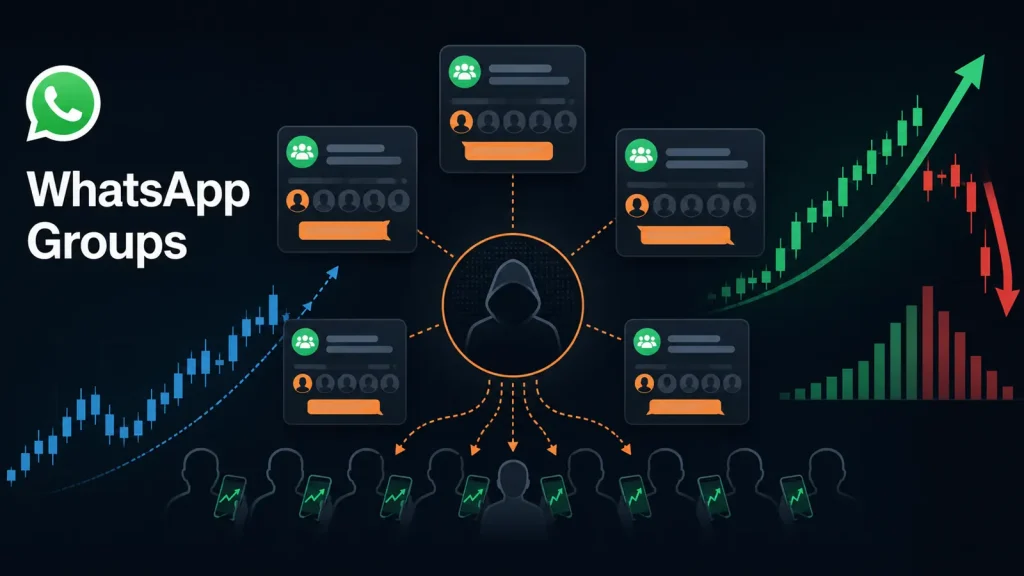
Scammers Use WhatsApp Groups to Coordinate Millions in Victim Trades and Pump Real Stocks
The digital landscape is a double-edged sword, offering unprecedented opportunities alongside sophisticated threats. A concerning new trend reveals how malicious actors are exploiting the trust and connectivity of platforms like WhatsApp to orchestrate elaborate stock market manipulation schemes. These aren’t your typical phishing attacks or malware deployments; instead, they represent a cunning blend of social engineering and financial fraud that preys on the unsuspecting, turning ordinary investors into unwitting accomplices in “pump and dump” operations. The scale of these coordinated efforts can involve millions in victim trades, leaving a trail of financial devastation.
WhatsApp: The New Frontier for Stock Manipulation
Scammers have found a highly effective, low-cost platform for coordinating their illicit activities: WhatsApp groups. The private and encrypted nature of these groups provides a seemingly secure environment for perpetrators to cultivate trust and disseminate misleading information. Unlike traditional cyberattacks that require exploiting technical vulnerabilities, these schemes leverage human psychology and the allure of quick profits. As detailed by Cyber Security News, the modus operandi involves a sophisticated campaign that pairs “short-lived deepfake advertisements” with carefully curated groups.
The core of this scam doesn’t rely on hacking trading accounts or stealing credit card information. Instead, it persuades individuals to voluntarily place real trades through their legitimate brokerage accounts. This distinction is critical; victims are not compromised, but rather manipulated into self-inflicting financial harm. The scammers orchestrate a coordinated buying spree, artificially inflating the price of a chosen stock. Once the price reaches a peak, the perpetrators unload their shares, leaving the unsuspecting group members to bear the brunt of the inevitable price collapse.
Anatomy of a Pump and Dump: Social Engineering Meets Financial Fraud
The success of these WhatsApp-based pump and dump schemes hinges on several key elements:
- Deepfake Advertisements: These highly convincing, yet entirely fabricated, promotions are used to lure potential victims into the initial stages of the scam. They often feature fabricated testimonials or expert endorsements, lending an air of legitimacy to the fraudulent investment opportunity.
- Cultivation of Trust: Within the WhatsApp groups, scammers often adopt personas of experienced traders or financial advisors. They share seemingly insightful market analysis, “exclusive” tips, and carefully managed success stories to build rapport and trust with their targets.
- Coordinated Buying Pressure: The groups are used to direct members to simultaneously purchase a specific, often thinly traded, stock. This sudden surge in demand creates an artificial price increase.
- The “Dump”: Once the price has been sufficiently inflated by the coordinated buying of the victims, the scammers sell their own holdings, cashing in on the artificially inflated value. The stock then plummets, leaving the victims with significant losses.
The insidious nature of this scam lies in its ability to weaponize legitimate financial systems and human trust. Victims believe they are making informed investment decisions, only to discover they were pawns in a larger manipulative game.
The Financial and Psychological Toll on Victims
The consequences for victims of these WhatsApp pump and dump schemes are severe. Financially, individuals can lose their life savings or significant portions of their investment portfolios. Beyond the monetary losses, there’s a considerable psychological impact. Victims often experience feelings of betrayal, shame, and a loss of confidence in their own judgment. The realization that they were actively persuaded to execute the trades themselves, rather than being passively exploited, can be particularly distressing.
These schemes also erode public trust in legitimate investment advice and financial platforms, making it harder for genuine professionals to differentiate themselves from fraudsters.
Remediation Actions: Protecting Yourself from WhatsApp Stock Scams
While there isn’t a CVE number associated with social engineering tactics, protecting oneself from these sophisticated financial scams requires vigilance and adherence to best practices. Here are actionable steps:
- Be Skeptical of Unsolicited Investment Advice: Exercise extreme caution with any investment opportunities promoted in unsolicited messages, social media posts, or private messaging groups. Legitimate financial advisors rarely solicit clients through such channels.
- Verify Information Independently: Never act on investment advice without thoroughly researching the company, the stock, and the source of the information. Use reputable financial news outlets and regulatory bodies (e.g., SEC, FINRA) for verification.
- Understand the Risks of Pump and Dump Schemes: Educate yourself on how pump and dump schemes operate. If an investment promises unusually high returns with little risk, or if there’s pressure to buy quickly, it’s a significant red flag.
- Protect Personal Information: Be wary of requests for personal financial details or brokerage account credentials. Scammers may try to gain deeper access to your accounts.
- Report Suspicious Activity: If you encounter a WhatsApp group or deepfake advertisement promoting suspicious investment schemes, report it to WhatsApp, your local financial regulatory body, and relevant cybersecurity authorities.
- Avoid “Exclusive” Groups: Be highly suspicious of invitations to “exclusive” or “private” investment groups that promise insider information. These are frequently used to isolate and manipulate victims.
Conclusion
The evolution of financial fraud continues to demonstrate the adaptability of malicious actors. The use of WhatsApp groups to coordinate stock market pump and dump schemes highlights a shift towards social engineering tactics that bypass traditional cybersecurity defenses. By understanding the mechanics of these operations, investors can empower themselves with the knowledge and skepticism needed to safeguard their assets. Vigilance, critical thinking, and a healthy dose of suspicion towards unsolicited investment “tips” are the strongest defenses against becoming the next victim in these lucrative and devastating scams.




