
U.S. Seizes Hundreds Domains Used to Stream World Cup Matches Illegally
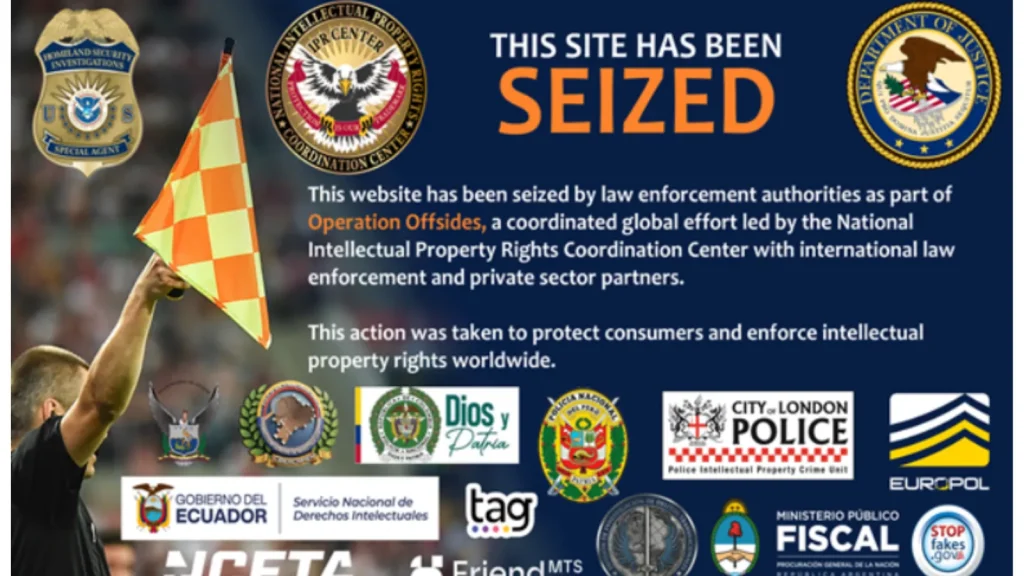
The digital landscape of sports broadcasting just got a significant shake-up. In a powerful declaration against online piracy, the U.S. Department of Justice (DOJ) recently announced the seizure of nearly 400 domains involved in the illegal streaming of FIFA World Cup 2026 matches. This aggressive action, dubbed “Operation Offsides,” not only targets unauthorized broadcasts but sends a clear message to global digital piracy networks operating outside the bounds of U.S. copyright law.
Operation Offsides: A Coordinated Crackdown on Digital Piracy
In an era where live sports streaming is a premium commodity, the unauthorized distribution of content poses a substantial financial threat to rights holders and broadcasters. The DOJ’s “Operation Offsides” specifically targeted websites that were actively engaged in broadcasting live World Cup matches without proper authorization. This operation underscores the U.S. government’s commitment to protecting intellectual property and upholding copyright laws in the digital realm.
The seizure of these domains is not merely a symbolic gesture. It represents a significant disruption to the financial and technical infrastructure supporting these illegal ventures. Each domain seized represents a node in a larger network of illicit streaming services, collectively depriving content creators and distributors of legitimate revenue. This direct intervention highlights the ongoing battle against piracy, a battle fought on many fronts, from legal challenges to technological countermeasures.
Understanding the Impact of Domain Seizures
When authorities seize domains, they effectively take control of the website’s address, rendering it inaccessible to users. This immediate disruption cuts off the primary conduit for illegal content distribution. For viewers attempting to access these unauthorized streams, the result is a non-functional link, demonstrating the immediate impact of law enforcement actions.
Beyond the immediate disruption, domain seizures serve as a deterrent. They signal to other potential infringers that their activities are being monitored and that legal consequences are very real. For legitimate content providers, it offers a measure of protection for their investments in broadcast rights and production. The economic implications are vast, as illegal streaming undermines business models across the sports and entertainment industries. The financial ecosystem built around events like the World Cup, involving advertisers, broadcasters, and official sponsors, relies heavily on the exclusive rights to content distribution.
Legal Frameworks Combatting Online Piracy
The U.S. government’s ability to conduct such operations stems from robust legal frameworks designed to protect intellectual property. Laws such as the Copyright Act provide the basis for prosecuting those who illegally reproduce or distribute copyrighted works. Internationally, treaties and agreements further facilitate cooperation among nations to combat cross-border piracy.
While this particular action by the DOJ focused on infringing domains under U.S. jurisdiction, the nature of digital piracy often involves complex international networks. Cooperation with international law enforcement agencies is crucial for addressing entities operating from various geographical locations, making these operations sophisticated and resource-intensive. The enforcement actions like “Operation Offsides” demonstrate a proactive approach to these intricate challenges.
The Pervasive Threat of Unlicensed Streaming and Associated Risks
For users, engaging with unlicensed streaming services carries significant risks beyond the legal implications for the operators. These sites are often rife with malware, phishing attempts, and other cybersecurity threats. Users seeking free content inadvertently expose their devices to various vulnerabilities, including:
- Malware and Adware: Illegal streaming sites are notorious for hosting malicious code that can infect a user’s device, leading to data theft, system compromise, or unwanted advertisements.
- Phishing Scams: Many sites attempt to trick users into providing personal information, such as login credentials or financial details, under false pretenses.
- Poor Quality and Unreliable Service: Even if a stream is accessible, it often suffers from low resolution, buffering issues, and frequent interruptions, leading to a suboptimal viewing experience.
- Legal Exposure: While direct legal action against individual viewers is rare, knowingly accessing pirated content can carry implicit legal risks depending on jurisdiction and content severity.
Remediation Actions and Secure Content Consumption
For individuals and organizations, the best defense against the risks associated with illegal streaming is to consume content through legitimate channels. This not only supports content creators but also ensures a secure and high-quality viewing experience.
- Utilize Official Platforms: Always opt for authorized streaming services and broadcasters. These platforms invest heavily in security measures to protect user data and provide a seamless experience.
- Maintain Updated Security Software: Ensure your operating system, web browser, and antivirus software are always up-to-date. This helps protect against known vulnerabilities that could be exploited by malicious sites.
- Exercise Caution with Links: Be wary of unsolicited links promising free access to premium content. These are often gateways to malicious websites.
- Educate Users: For IT professionals, educating end-users about the dangers of illegal streaming and encouraging adherence to company policies on content consumption is paramount to maintaining a secure network.
Conclusion
The seizure of hundreds of domains used for illegally streaming World Cup matches under “Operation Offsides” marks a pivotal moment in the ongoing fight against digital piracy. This action by the U.S. Department of Justice not only dismantled a significant portion of an illicit network but also reinforced the critical importance of intellectual property rights in the digital age. As content creators and distributors continue to innovate, so too must the efforts to protect their work from unauthorized exploitation. For both consumers and professionals, adherence to legitimate content sources remains the safest and most secure path, safeguarding not only the integrity of premium content but also individual cybersecurity.




